In healthcare environments, Environmental Services (EVS) workers are a key line of defense against the spread of infections. Their mission of infection control extends far beyond maintaining appearances. Every surface, if not properly disinfected, can harbor pathogens like Clostridioides difficile, MRSA, or norovirus. By following strict cleaning and disinfection protocols, EVS staff actively prevent healthcare-associated infections (HAIs) and help protect both patients and staff.
Expertise, Diligence, and Recognition
EVS is a profession that demands technical skills and unwavering rigor. Proper infection prevention requires knowledge of products, techniques, task frequencies, and workflows. In Quebec, initiatives such as the 630-hour AEP training program in hygiene and sanitation for healthcare settings reflect the professionalization of this essential role. Despite their often invisible work, EVS professionals are key contributors to infection control strategies and deserve increased appreciation and recognition.
Organization and Tools Make a Difference for Infection control
Optimal performance in hospital cleaning also relies on logistics: well-equipped carts, proximity to supply rooms. Furthermore, an organized task schedule can significantly reduce wasted time and boost efficiency. Therefore, standardizing cleaning protocols and tools to not only improves results but also reduces staff fatigue and contributes to job satisfaction.
Find everything you need on the largest sanitary product catalog in Quebec.
Featured Product: To support EVS staff in their infection control duties, Ali-Flex RTU, a ready-to-use hospital-grade disinfectant effective against C. difficile, is a must.
Remote work has become a major component of the modern professional world. While working from home offers numerous advantages, it also presents challenges in terms of hygiene and health. A clean and organized remote work environment is essential for maintaining well-being and productivity. This article provides tips for effectively doing disinfection and managing hygiene while working remotely.
Why is Hygiene in Remote Work Important?
Physical Health: Reducing the risks of allergies, illnesses, and musculoskeletal disorders.
Mental Health: A clean space helps reduce stress and improve concentration.
Productivity: An organized environment facilitates efficient work.
Tips for Maintaining a Healthy Work Environment at Home
Set Up a Dedicated Workspace:
Separate Spaces: Choose a specific place to work, distinct from rest areas.
Ergonomic Equipment: Invest in a comfortable chair, a desk at the right height, and a screen at the appropriate distance.
Organization: Use storage solutions to avoid clutter.
Clean Regularly:
Work Surface: Wipe the desk daily with a damp cloth.
Computer Equipment: Clean the keyboard, mouse, and screen to remove dust and germs.
Floor: Vacuum or sweep to prevent dirt accumulation.
Ventilate the Space:
Natural Ventilation: Open windows several times a day to renew the air.
Indoor Plants: Use plants to improve air quality.
Personal Hygiene:
Morning Routine: Prepare as if going to the office, including washing and dressing.
Hand Washing: Regularly wash hands, especially before eating.
Waste Management:
Nearby Trash Can: Keep a small trash can near the workstation.
Waste Sorting: Recycle paper and other recyclable materials.
Limit Food Consumption at the Workstation:
Avoid Meals at the Computer: Prefer eating in the kitchen or dining room.
Clean Up After Snacks: Remove crumbs and packaging to avoid pests.
Maintain Good Posture:
Regular Exercise: Take breaks to stretch and move around.
Ergonomic Position: Adjust the chair and screen to avoid strain.
Time Management and Work-Life Balance:
Fixed Hours: Set regular working hours.
Disconnecting: Know when to stop working to rest and recharge.
Relaxation Activities: Incorporate moments for leisure and relaxation.
Disinfection:
Disinfect Surfaces: Regularly disinfect the desk, doorknobs, and other frequently touched surfaces.
Use Eco-Friendly Disinfectants: Opt for disinfectants that are effective and environmentally friendly.
Tools to Facilitate Hygiene in Remote Work
Reminder Apps: Use apps to schedule breaks and cleaning tasks.
Checklists: Create lists for cleaning and organization routines.
Conclusion
Managing hygiene in remote work is essential for preserving health, well-being, and productivity. By adopting simple and regular habits, it is possible to create a healthy and pleasant home office environment. Investing time in maintaining your workspace is an investment in your own performance and professional satisfaction.
Cross-contamination is a significant issue in production environments, especially in the food, pharmaceutical, and cosmetic industries. It can lead to health risks for consumers, costly product recalls, and damage to a company’s reputation. This article explores the causes of cross-contamination and presents strategies to effectively prevent it.
What is Cross-Contamination?
Cross-contamination occurs when undesirable substances, such as microorganisms, allergens, or chemical contaminants, are transferred from one surface, equipment, or product to another, thereby compromising the safety or quality of the final product.
Causes of Cross-Contamination
Human Handling
Dirty Hands: Operators can transfer contaminants by touching different products without washing their hands.
Contaminated Clothing: Uniforms can carry particles from one environment to another.
Shared Equipment
Unclean Machines: Using the same machine for different products without proper cleaning.
Utensils: Tools such as spoons, spatulas, or scales used for multiple products.
Environment
Airflow: Airborne particles can be transported.
Work Surface: Worktops not disinfected between production batches.
Raw Materials
Inadequate Storage: Ingredients stored together without proper separation.
Non-compliant Suppliers: Raw materials already contaminated upon receipt.
Consequences of Cross-Contamination
Health Risks: Allergies, food poisoning, adverse reactions.
Product Recalls: High financial costs and loss of customer trust.
Regulatory Compliance: Legal penalties for failing to meet safety standards.
Strategies to Prevent Cross-Contamination
Good Manufacturing Practices (GMP)
Standardized Protocols: Establish clear procedures for each production step.
Staff Training: Raise awareness of risks and preventive measures.
Documentation: Maintain records to ensure traceability.
Personnel Hygiene
Frequent Handwashing: Before and after each handling.
Clean Uniforms: Wear dedicated clothing in the production area.
Personal Protective Equipment (PPE): Gloves, masks, caps to avoid contaminations.
Cleaning and Disinfecting Equipment
Cleaning Procedures: Define methods for each equipment.
Frequency: Clean after each use or product change.
Cleaning Validation: Tests to verify the effectiveness of procedures.
Separating Production Areas
Zoning: Physically delineate areas for different products or stages.
One-Way Flow: Organize movements to avoid cross paths.
Air Control: Ventilation systems to prevent particle dispersion.
Managing Raw Materials and Stocks
Separate Storage: Separate allergens or sensitive products.
FIFO Systems (First In, First Out): Use ingredients in order of receipt to avoid cross-contamination.
Supplier Control
Rigorous Selection: Work with certified suppliers.
Regular Audits: Check suppliers’ practices to ensure compliance.
Using Advanced Technologies
Dedicated Equipment: Specific machines for certain products.
Detection Systems: Sensors to identify contaminants.
Continuous Monitoring and Improvement
Regular Analysis: Microbiological and chemical tests to detect contaminants.
Internal Audits: Assess the effectiveness of measures in place.
Feedback: Involve staff to identify areas for improvement.
Conclusion
Preventing cross-contamination is essential for ensuring the safety and quality of products in production environments. By adopting proactive strategies, training staff, and implementing rigorous procedures, companies can minimize risks, comply with regulations, and protect their reputation. Constant vigilance and continuous improvement are the keys to success in this field.
More and more businesses are looking to adopt sustainable practices to meet consumer expectations and contribute to environmental protection. Using eco-friendly cleaning products for disinfection is an important step in this direction. This article explores the benefits these products offer to businesses, going beyond mere environmental responsibility.
What is an Eco-Friendly Cleaning Product?
Natural Ingredients: Formulated from biodegradable and non-toxic components.
Sustainable Production: Manufactured with environmentally friendly methods.
Recyclable Packaging: Use of recycled or recyclable materials for containers.
Recognized Labels: Certified by organizations such as Ecologo, European Ecolabel, or Ecocert.
Health Benefits
For Employees:
Reduced Irritations: Lower risk of allergies, skin, or respiratory irritations.
Healthier Work Environment: Improved indoor air quality.
Less Absenteeism: Decrease in illnesses related to chemical exposure.
For Customers:
Increased Comfort: More pleasant atmosphere without strong chemical odors.
Safety: Lower risk for sensitive or allergic clients.
Environmental Benefits
Biodegradability: Products break down without harming the ecosystem.
Pollution Reduction: Less release of harmful substances into water and soil.
Resource Economy: Less energy and raw materials used in production.
Economic Benefits
Long-Term Costs:
Durability of Equipment: Less corrosive, they preserve surfaces and machinery.
Test Products: Conduct trials to check compatibility with surfaces and equipment.
Staff Training:
Awareness: Explain the benefits of eco-friendly products.
Usage Instructions: Train on specific dosages and methods.
Encouragement: Involve staff in the ecological approach.
Communication:
Inform Customers: Highlight the company’s ecological commitment.
Transparency: Share efforts and results achieved.
Including Disinfection
Eco-Friendly Disinfectants: Use disinfectants that are both effective and environmentally friendly.
Disinfection Protocols: Implement standard protocols that align with sustainable practices.
Educate Staff: Train employees on the use of eco-friendly disinfectants and their benefits.
Conclusion
Adopting eco-friendly cleaning products offers multiple benefits for businesses. Beyond environmental protection, it is a step that promotes employee health, enhances brand image, and can even generate long-term savings. By integrating eco-friendly disinfectants into cleaning protocols, businesses can ensure both a clean and sustainable environment.
Hospitals and clinics are places where vulnerable patients seek care. Ironically, they can also be locations where infections are contracted if hygiene standards are not rigorously maintained. Nosocomial infections represent a significant challenge for healthcare systems. This article explores the challenges of hygiene in healthcare facilities and proposes measures to improve patient safety.
Challenges of Hygiene in Healthcare Facilities
Presence of Vulnerable Patients
Weakened Immune Systems: Patients are more susceptible to infections.
Invasive Procedures: Surgeries, catheters, and other procedures increase risks.
Multiplicity of Pathogens
Resistant Bacteria: Such as methicillin-resistant Staphylococcus aureus (MRSA).
Viruses and Fungi: Presence of various potentially dangerous microorganisms.
Complex Environment
Constant Flow of People: Patients, visitors, medical staff.
Large Area: Many zones to clean, from operating rooms to patient rooms.
Consequences of Nosocomial Infections
Patient Health: Prolonged stays, complications, or even death.
Financial Costs: Increased expenses for treating infections.
Public Trust: Damage to the facility’s reputation.
Measures to Improve Hospital Hygiene
Hand Hygiene
Training: Educate staff on the importance of handwashing.
Accessibility: Install soap and sanitizer dispensers at strategic locations.
Quality Control: Regularly verify the effectiveness of sterilizers.
Disposable Equipment: Use single-use devices when possible.
Managing Medical Waste
Waste Separation: Properly classify biological, sharp, and other types of waste.
Secure Disposal: Work with specialized services for waste treatment.
Staff Training: Raise awareness about safe waste handling.
Monitoring and Controlling Infections
Dedicated Committees: Establish teams to monitor nosocomial infections.
Data Collection: Track infection cases to identify trends.
Rapid Response: Isolate infected patients and implement corrective measures.
Staff and Management Engagement
Safety Culture: Promote a proactive attitude towards infection prevention.
Shared Responsibility: Every staff member should feel concerned.
Recognition: Value the efforts of staff adhering to hygiene standards.
Conclusion
The challenges of hygiene in hospitals and clinics are complex and require a multidimensional approach. By implementing effective measures and involving all stakeholders, it is possible to significantly reduce nosocomial infections. Patient health and safety depend on a constant commitment to excellence in hygiene.
Schools are places where numerous children and adults interact daily. This close contact can facilitate the transmission of infectious diseases if adequate hygiene measures are not implemented. Regular disinfection of schools is essential to ensure the health and well-being of everyone. This article examines the importance of disinfection in schools and proposes strategies to maintain a healthy environment.
Why is Disinfection Crucial in Schools?
Rapid Disease Transmission
Physical Proximity: Classrooms, cafeterias, and playgrounds are spaces where close contact is frequent.
Variable Personal Hygiene: Children, especially younger ones, may not have acquired good hygiene practices.
Shared Objects: School supplies, toys, and sports equipment are handled by multiple individuals.
Impact on Public Health
Epidemics: Schools can be hotspots for the spread of diseases such as flu, gastroenteritis, or chickenpox.
School Absences: Illnesses lead to absences that affect learning.
Community Spread: Children can bring infections home, impacting the wider community.
Key Areas Needing Disinfection
Classrooms
Desks and Chairs: Frequently touched surfaces by students.
Toilets: Require thorough cleaning and disinfection.
Sinks and Faucets: Major contact points for germs.
Cafeterias and Kitchens
Tables and Chairs: Need cleaning between each use.
Utensils and Trays: Disinfection to prevent foodborne illnesses.
Play Areas and Sports Equipment
Outdoor Play Equipment: Swings, slides, etc.
Indoor Sports Equipment: Balls, gym mats.
Strategies for Effective Disinfection
Establish a Disinfection Plan
Frequency: Set regular intervals for cleaning and disinfection.
Priorities: Identify high-risk areas that need special attention.
Appropriate Products: Use approved disinfectants for maximum effectiveness.
Train Staff
Cleaning Techniques: Train janitorial staff on best practices.
Safety: Raise awareness about the safe use of chemical products.
Engage the School Community
Student Education: Teach the importance of personal hygiene, such as handwashing.
Staff Participation: Encourage teachers to maintain classroom cleanliness.
Parent Communication: Inform about the measures taken and involve them in promoting hygiene.
Use Modern Technologies
UV Disinfection: Use UV devices to disinfect rooms.
Fogging: Apply disinfectants in fog form to cover large areas.
Infection Prevention
Promote Handwashing
Washing Stations: Install additional sinks and soap dispensers.
Hand Sanitizers: Provide alcohol-based hand gels.
Manage Sick Absences
Clear Policy: Encourage parents to keep sick children at home.
Monitoring: Track illness trends to respond quickly.
Conclusion
Disinfection in schools is a collective responsibility that requires collaboration among administration, staff, students, and parents. By implementing effective strategies and raising awareness within the school community, it is possible to reduce the spread of diseases and create a safe and healthy learning environment.
Disinfection is crucial for maintaining healthy environments in hospitals, schools, and businesses. UV (ultraviolet) technology has emerged as an innovative and effective method to eliminate harmful microorganisms without using chemicals. This article explores how UV disinfection works, its advantages, and its applications.
Understanding UV Technology
Ultraviolet rays are a form of electromagnetic radiation invisible to the naked eye. They are classified into three categories:
UVA: Wavelength from 315 to 400 nm.
UVB: Wavelength from 280 to 315 nm.
UVC: Wavelength from 200 to 280 nm.
UVC is used for disinfection due to its ability to inactivate microorganisms.
How Does UVC Disinfect?
DNA/RNA Destruction: UVC rays penetrate the cells of microorganisms and damage their genetic material.
Pathogen Inactivation: Bacteria, viruses, and protozoa can no longer reproduce or cause infections.
Rapid Efficiency: Inactivation occurs within seconds to a few minutes of exposure.
Advantages of UV Disinfection
Chemical-Free: No toxic residues or need to handle hazardous substances.
High Efficacy: Capable of eliminating a wide range of microorganisms, including those resistant to chemical disinfectants.
Speed: Rapid disinfection of surfaces and air.
Cost-Effective: Reduces long-term costs related to the purchase of chemicals and labor.
Applications of UV Technology
Medical Field:
Hospitals and Clinics: Disinfection of operating rooms, patient rooms, medical equipment.
Laboratories: Maintaining sterile conditions for sensitive experiments.
Food Industry:
Production Plants: Disinfecting work surfaces, tools, and air to prevent contamination.
Storage: Extending the shelf life of food by eliminating microorganisms.
Water Treatment:
Purification Plants: Eliminating pathogens in drinking water.
Pools and Spas: Reducing chlorine usage.
Public Environments:
Public Transportation: Disinfecting buses, trains, and airplanes.
Schools and Offices: Maintaining a healthy environment for occupants.
Types of UV Equipment
Portable UV Lamps: For targeted surface disinfection.
Fixed UV Systems: Installed in ventilation ducts to purify the air.
Autonomous UV Robots: Mobile devices programmed to disinfect large areas.
Precautions and Limitations
Safety: UVC rays are harmful to skin and eyes. Protective measures, such as ensuring no people are in the treated area, are essential.
Shadows: UV does not penetrate opaque surfaces. Shadowed areas may not be disinfected.
Maintenance: UV lamps lose effectiveness over time and need regular replacement.
Integration with Other Disinfection Methods
UV technology is often used in combination with other methods:
Manual Cleaning: To remove dirt and debris that can shield microbes.
Chemical Disinfectants: For a synergistic approach in critical environments.
Conclusion
UV technology offers an innovative and effective solution to invest in for disinfection across various sectors. By understanding its operation and applying it correctly, businesses and institutions can significantly improve hygiene quality, reduce infections, and provide safer environments. However, it is crucial to observe safety precautions to maximize benefits while minimizing risks.
Public transportation is essential for urban mobility, but it also serves as a space where microbes can spread rapidly due to high passenger density. Maintaining hygiene in these environments is crucial for public health. This article examines the challenges and solutions for ensuring optimal hygiene in public transportation.
Challenges of hygiene in public transportation
High Passenger density: Close proximity facilitates the transmission of germs.
Appropriate equipment: Provide PPE for cleaning staff.
Awareness: Ongoing training on health risks and preventive measures.
Stakeholder Cooperation
Transport authorities: Lead the implementation of measures.
Local governments: Provide financial and regulatory support.
Scientific community: Research effective disinfection methods.
Public: Actively adopt responsible behaviors.
Conclusion
Maintaining hygiene in public transportation is a complex challenge that requires a multidimensional approach. By combining technical measures, effective policies, and cooperation among all stakeholders, it is possible to ensure a safe environment for users and enhance confidence in public transportation systems.
Flu season presents a major challenge for businesses, with an increased risk of absenteeism and reduced productivity. Flu viruses spread quickly in enclosed spaces, especially when cleaning protocols are not adequately followed. This article proposes effective strategies to enhance cleaning protocols during this critical period, protecting the health of your employees and ensuring the continuity of your operations.
Understanding how the flu virus spread
Modes of transmission
Respiratory droplets: Sneezing, coughing, and talking spread droplets containing the virus.
Contact with contaminated surfaces: The virus can survive for several hours on frequently touched surfaces.
Interpersonal transmission: Close contact between individuals facilitates the spread.
High-Risk surfaces
Door handles
Light switches
Keyboards and mice
Phones
Common areas such as meeting rooms and cafeterias
Enhancing cleaning protocols
Increasing cleaning frequency
Daily cleaning: Ensure daily cleaning of frequently touched surfaces.
Regular disinfection: Use effective disinfectants against viruses to eliminate pathogens.
Contact time: Adhere to the recommended contact time for maximum efficacy.
Safety: Ensure that the products used are safe for employees and the environment.
Training Personnel
Proper techniques: Train staff on effective cleaning and disinfection methods.
Personal Protective Equipment (PPE): Wear gloves, masks, and, if necessary, gowns for protection.
Personal hygiene: Encourage handwashing after each cleaning session.
Involving All Employees
Hand Hygiene
Sanitization stations: Install hand sanitizer dispensers at strategic locations.
Informative signage: Place posters reminding employees of the importance of handwashing.
Respiratory etiquette
Cover mouth and nose: Use a tissue or the elbow when coughing or sneezing.
Disposable tissues: Provide tissues and closed bins for disposal.
Sick Leave Policies
Encourage rest: Urge sick employees to stay home to avoid contamination.
Remote work: Offer remote work options where possible.
Improving Indoor Air Quality
Ventilation
HVAC Systems: Maintain and regularly clean heating, ventilation, and air conditioning systems.
Natural ventilation: Open windows to renew air when conditions allow.
Air purifiers
HEPA Filters: Install air purifiers with HEPA filters to remove viral particles.
Surveillance and communication
Monitoring absences
Identify trends: Quickly detect an increase in flu-related absences.
Rapid response: Strengthen cleaning measures if necessary.
Informing staff
Regular updates: Communicate the evolving situation and measures taken.
Education: Provide resources on flu prevention.
Conclusion
Flu season requires heightened vigilance in cleaning and prevention. By implementing strengthened protocols and involving all staff, businesses can significantly reduce the risk of virus spread. These efforts help maintain a healthy work environment, ensuring the smooth operation of your business.
Nosocomial infections, acquired in healthcare settings, pose a major challenge to the global health system. They not only affect patient health but also increase medical costs and prolong hospital stays. This article explores key measures to improve hospital hygiene and effectively reduce nosocomial infections.
Understanding nosocomial infections
What is a nosocomial infection?
A nosocomial infection is an infection acquired by a patient during their stay in a hospital or another healthcare facility, which was neither present nor incubating at the time of admission.
Risk factors
Weakened immune systems: Vulnerable patients are more likely to contract infections.
Invasive procedures: Catheters, probes, and surgical interventions increase the risk.
Antibiotic resistance: Overuse of antibiotics has led to the emergence of resistant bacteria.
Measures to strengthen hospital hygiene
Hand hygiene
Proper technique: Wash hands with soap and water for at least 20 seconds.
Disinfection: Use alcohol-based hand sanitizers as a supplement to handwashing.
Key moments: Before and after patient contact, before aseptic procedures, and after exposure to bodily fluids.
Sterilization and disinfection of equipment
Sterilization: Use autoclaves to sterilize surgical instruments.
Disinfection: Clean non-invasive equipment with approved disinfectants.
Quality control: Perform regular tests to ensure the effectiveness of sterilization processes.
Cleaning of surfaces and environment
Scheduling: Establish a regular cleaning schedule for all areas.
Appropriate Products: Use effective detergents and disinfectants against hospital pathogens.
Staff Training: Train cleaning staff in techniques specific to healthcare environments.
Air quality control
Filtration systems: Install HEPA filters in critical areas such as operating rooms.
Positive/Negative air pressure: Use controlled pressure rooms to prevent the spread of infectious agents.
Medical waste management
Waste Separation: Classify waste based on its hazard level.
Safe Disposal: Use appropriate containers for sharps and biological waste.
Regulation Compliance: Adhere to local and national laws on medical waste management.
Staff training and awareness
Educational Programs: Provide continuous training on hygiene protocols and infection prevention.
Safety Culture: Encourage a proactive attitude towards infection prevention.
Individual Responsibility: Ensure each staff member understands their role in maintaining a safe environment.
Involvement of patients and visitors
Education: Inform patients about the hygiene measures they can take.
Visitor Policies: Limit visits during outbreaks and provide clear instructions on hygiene practices.
Infection surveillance and management
Surveillance system: Collect data on infections to identify trends.
Incident analysis: Investigate nosocomial infection cases to determine causes and prevent recurrence.
Infection control committees: Create multidisciplinary teams to coordinate efforts.
Conclusion
Reducing nosocomial infections is a priority to invest in patient safety and the efficiency of healthcare. By strengthening hospital hygiene practices, training staff, and involving all stakeholders, it is possible to significantly decrease infection rates. These efforts contribute not only to patient health but also to increased trust in the healthcare system.
Sensitive surfaces, such as electronic equipment, delicate materials, or sterile areas, require special attention during cleaning. Improper handling can lead to material damage or health risks. This article presents the best practices to ensure effective and safe cleaning of these surfaces.
Delicate materials: Untreated wood, special fabrics, artworks.
Sterile areas: Laboratories, clean rooms, medical facilities.
General cleaning principles
Use the right products: Choose cleaning agents that won’t damage the surface.
Gentle methods: Avoid excessive scrubbing or abrasive tools.
Safety first: Wear gloves and, if necessary, personal protective equipment.
Cleaning electronic equipment
Unplugging: Always unplug devices before cleaning them.
Suitable products: Use wipes designed for electronics or a lightly dampened soft cloth.
Avoid excessive moisture: Never spray liquid directly on the device.
Caring for delicate materials
Pre-test: Test the cleaning product on a small, inconspicuous area first.
Natural products: Opt for mild cleaners like neutral soap.
Specific techniques: Follow the grain when cleaning wood; refer to care instructions for fabrics.
Maintaining sterile areas
Strict protocols: Follow established procedures to avoid contamination.
Appropriate disinfectants: Use disinfectants approved for sterile environments.
Staff training: Ensure all employees are trained in specific cleaning techniques.
Avoiding common mistakes
Don’t mix products: Some mixtures can be dangerous or ineffective.
Avoid inappropriate tools: Abrasive sponges or hard brushes can scratch or damage surfaces.
Proper dosage: Use the recommended amount of product to avoid residue.
Storing and handling cleaning products
Proper storage: Keep products in their original packaging with labels visible.
Safety: Store products out of reach of unauthorized personnel.
Responsible disposal: Dispose of expired or unusable products according to local regulations.
Conclusion
Cleaning sensitive surfaces requires an informed and delicate approach. By following best practices and using appropriate products, you can ensure the longevity of equipment and the safety of the work environment.
Epidemics can have a devastating impact on businesses, affecting employee health and disrupting operations. Therefore, preventing their spread in the workplace is crucial. This article presents effective measures to protect your staff and maintain a healthy work environment.
Promoting personal hygiene
First, you should promote personal hygiene among employees.
Frequent handwashing: Install handwashing stations and hand sanitizer dispensers.
Respiratory etiquette: Encourage covering the mouth when coughing or sneezing.
Education: Raise awareness about good hygiene practices.
Maintaining a clean environment
Next, focus on maintaining a clean environment in the workplace.
Regular cleaning: Disinfect frequently touched surfaces, such as doorknobs, keyboards, and phones.
Adequate ventilation: Ensure proper air circulation to reduce airborne pathogens.
Waste management: Quickly dispose of potentially contaminated waste.
Implementing workplace health policies
Additionally, implement effective workplace health policies.
Sick leave: Encourage your sick employees to stay home for the sake of their health and your other employees.
Telecommuting: Facilitate remote work whenever possible.
Medical monitoring: Conduct regular health checks.
Ensuring transparent communication in time of epidemics
Furthermore, ensure transparent communication with your staff.
Updated information: Provide regular updates on epidemics and measures taken.
Open channels: Allow employees to ask questions and express concerns.
Training staff for epidemics situations
Moreover, you should train your staff to handle epidemic situations.
Emergency preparedness: Train them on protocols in case of an epidemic.
Use of PPE: Teach the correct usage of personal protective equipment.
Collaborating with health authorities to prevent epidemics
Finally, collaborate with health authorities to ensure compliance and safety.
Compliance: Follow all the guidelines from health organizations.
Reporting: Inform authorities in case of confirmed cases within the company.
Conclusion
Preventing epidemics in the workplace is a collective responsibility. By implementing proactive strategies, businesses can protect employee health and ensure operational continuity. Companies that adhered to primary, secondary, and tertiary prevention levels according to the WHO were less affected during the COVID-19 pandemic.
Choosing the right disinfectant: A comprehensive guide
Selecting the appropriate disinfectant is crucial for maintaining a healthy and safe environment. With so many products available, it can be challenging to determine which one is best suited for your business. This guide will help you identify the essential criteria to make the right choice.
Identifying the disinfection specific needs
First, you need to identify the specific needs of your environment.
Type of contaminants: Understand the microorganisms you need to target, such as bacteria, viruses, or fungi.
Surfaces to be treated: Consider the materials involved, including sensitive areas, food zones, and electronic equipment.
Frequency of use: Decide if the disinfectant will be used daily, weekly, or occasionally.
Considering the effectiveness of disinfection
Next, evaluate the effectiveness of the disinfectant.
Spectrum of action: Choose broad-spectrum disinfectants that can tackle a wide range of microorganisms.
Contact time: Select a product with an action time that matches your operational needs.
Standards and certifications: Ensure the disinfectant meets regulatory approvals and ISO standards.
Evaluating safety and environmental impact
Now, focus on safety and environmental impact.
Toxicity: Opt for products without harmful compounds to protect health.
Biodegradability: Prefer eco-friendly disinfectants to minimize environmental harm.
Compatibility: Confirm that the product does not damage surfaces or equipment.
Analyzing cost and availability for disinfection
Then, consider the cost and availability of the disinfectant.
Price: Set a budget that accounts for the cost per use, not just the purchase price.
Availability: Ensure a steady supply to avoid stockouts.
Formulation: Choose between concentrates that need dilution or ready-to-use solutions.
Training Personnel on Use
It’s important to train your personnel on proper use.
Clear instructions: Provide precise guidelines for applying disinfectant products.
Protective equipment: Inform them about necessary PPE during use.
Storage and handling: Teach best practices to prevent accidents.
Conclusion
Ultimately, selecting the right disinfectant requires a thorough analysis of your needs and careful consideration of product characteristics. Remember, disinfectants only kill germs and inactivate viruses if used according to the instructions. Making an informed choice will help ensure the health of your employees and the sustainability of your business.
Workplace safety is paramount, especially in sectors where the risk of injury is high. According to ASSTSAS, in the province of Quebec, falls and slips contribute to a staggering 18% of workers’ compensation costs. Alarmingly, this ranks as the third leading cause of workplace accidents in the health and social services sector, encompassing a wide range of job roles.
Understanding the Causes of Workplace Accidents
Before delving into solutions, it’s crucial to understand the root causes of these accidents. While falls and slips are significant contributors, several other factors play a role in workplace-related mishaps:
Fall and Slide Accidents: These can be attributed to wet floors, uneven surfaces, or obstacles in pathways.
Muscle Strains: Often a result of improper lifting techniques or excessive flexion, leading to back and muscle injuries.
Chemical Exposures: Handling chemicals without proper precautions can result in eye and skin lesions.
Respiratory Issues: Prolonged exposure to certain chemicals and equipment can adversely affect the respiratory system.
Electrical and Biological Hazards: Accidental contact with live wires or exposure to biological hazards can have severe consequences.
Seven Proactive Measures to Enhance Cleaning Safety
To mitigate these risks, especially in cleaning tasks, consider the following seven steps:
Regularly Review Work Methods: Periodically assess and update working methods and procedures to ensure they align with the best safety practices.
Risk Assessment: Proactively identify and evaluate situations that pose risks. This includes lifting heavy loads, repetitive tasks, exposure to harmful chemicals, assessing air quality, and overall work organization.
Use Personal Protective Equipment (PPE): Recognize tasks that necessitate PPE. This can range from gloves and goggles to masks and protective sleeves.
Opt for Non-slip Footwear: Especially crucial when working with floor finishes. Non-slip shoes can significantly reduce the risk of falls.
Use Wet Floor Signs: Always use “wet floor” safety panels when cleaning floors. Ensure they are removed once the floor is dry to avoid confusion.
Regular Equipment Inspection: Pay special attention to the electrical wiring of cleaning equipment. Avoid disconnecting devices by pulling on the wire.
Handle Biological Hazards with Care: Treat any body fluid or blood as a potential biological hazard. Ensure you’re adequately trained before attempting any cleanup.
By integrating these steps into your cleaning procedures, you can create a safer environment for everyone involved. Remember, prevention is always better than cure.
Browse of full color catalog: Equipping oneself with quality safety gear is crucial for personal protection and the well-being of others. Our extensive range of safety equipment is designed to prevent accidents and safeguard employees’ health over time by reducing exposure to hazardous materials and tasks. Simple tools like gloves, masks, or protective goggles can make a profound difference!
Today, I am thrilled to share an announcement of a new online training that brings a burst of enthusiasm and innovation in the field of hygiene and sanitation.
A Step Forward in the World of Hygiene and Sanitation
AHSS in collaboration with La Boussole Verte, has taken a giant stride in advancing professional training by launching a basic training course for hygiene and sanitation attendants. This initiative stems from a desire to bolster the foundational skills of new employees in this sector while emphasizing the highest standards governing our industry.
A Multifaceted Training Course
Are you a trainer looking to optimize your orientation program? This course proves to be a treasure trove of information and resources, facilitating your task in integrating new team members.
Moreover, if your current attendants feel the need to refresh their skills and stay abreast with the sector’s latest practices, this course is perfectly suited to meet these needs.
Join Us
We cordially invite you to share this unprecedented opportunity with your colleagues and managers. To secure your spot or to obtain more information, visit AHSS.
We are eager to welcome you and collaborate together to raise the bar in the hygiene and sanitation sector.
Thank you in advance for your attention, and we look forward to reconnecting with you very soon.
See you soon, Gaétan Lanthier Expert Trainer in Hygiene and Sanitation
Don’t hesitate to embark on this enriching adventure and to contribute in setting new milestones in our field.”
Disinfection is the process by which microorganisms such as bacteria are eliminated or reduced. The objective of disinfection is to prevent the spread of infectious diseases by reducing the number of microorganisms present. Disinfection can be achieved in various ways, including the use of disinfectant chemicals such as alcohol-based disinfectants, quaternary ammonium compounds, sodium hypochlorite (bleach), or hydrogen peroxide.
Effective Planning and Disinfection Management
This would be the planning. We need to develop a detailed plan for management and disinfection. It is important to identify high-risk areas, determine the necessary equipment, outline the procedures to be followed, and define the responsibilities of the individuals involved in the disinfection process.
This is training. It involves ensuring that the personnel responsible for management and disinfection are trained in good hygiene and disinfection practices. They should be familiar with the procedures, the cleaning/disinfection products to be used, and the safety precautions to be taken.
This is personal hygiene. We should encourage and maintain good personal hygiene practices among the staff. This includes habits such as regular handwashing with soap, the use of hand sanitizers, and wearing appropriate protective clothing.
This is regular cleaning. It entails establishing a regular cleaning schedule for all surfaces and high-risk areas.
This is proper disinfection. It involves using appropriate disinfectants to kill germs and reduce the risk of infection.
This is ventilation. We should ensure good ventilation in indoor spaces to facilitate the circulation of fresh air.
This is waste management. We need to implement an appropriate system for waste management, ensuring the safe and hygienic disposal of potentially contaminated materials.
This is monitoring and evaluation. It entails establishing regular monitoring and evaluation procedures to assess the effectiveness of the management and disinfection measures. Adjustments should be made if necessary.
This is raising awareness among staff and relevant individuals about hygiene practices.
This is compliance with regulations. We must ensure that regulations regarding hygiene are adhered to and that standards are upheld. Therefore, it is important to stay informed about updates and recommendations from health authorities.
The uses/benefits of disinfectant
Eliminates germs and bacteria, ensuring a clean and hygienic environment for everyone.
Surface Disinfection: This category involves the disinfection of surfaces such as countertops, doorknobs, switches, phones, keyboards, faucets, etc. There are specifically formulated disinfectant products to eliminate germs and bacteria on surfaces. These products can be disinfecting wipes, sprays, or disinfectant solutions to be used with a clean cloth.
Hand Disinfection: This refers to the disinfection of hands to eliminate germs and bacteria that may be present. The use of alcohol-based hand sanitizers is common in this category. Hand sanitizers are usually available as gels or liquid solutions. It is recommended to rub the hands with the sanitizer for at least 20 seconds until it dries.
Medical Instrument Disinfection: This category primarily concerns healthcare facilities and medical professionals. It involves the disinfection of medical instruments such as scalpels, syringes, injection devices, probes, etc. In this case, more complex disinfection procedures may be required, such as the use of autoclaves, dry heat sterilizers, or specific chemical agents.
To conclude, disinfection is essential to ensure good hygiene in the workplace, and it requires precise steps to be properly carried out.
In institutions and industry, hygiene and sanitation are essential elements for ensuring the safety and well-being of employees, clients, and users. This article addresses the importance of proper sanitary maintenance management, with a focus on using dedicated software for developing work routes for janitors and sanitation workers. We will also explore the importance of space analysis, maintenance estimates, execution and planning of work, as well as quality inspections, and we will make a reference to the Sanitek tool (www.sanitek.ca).
Space Analysis: The Key to Good Management and Planning
A thorough analysis of workspaces is crucial for determining hygiene and sanitation needs. This step allows for the identification of risk areas, surfaces to be cleaned, and required maintenance frequencies. Specialized software, such as Sanitek, facilitates this analysis by offering features to map spaces, identify sensitive points, and establish appropriate maintenance protocols.
Maintenance Estimates: A Tool for Optimizing Resources
Maintenance estimates help determine the costs and resources needed to ensure adequate sanitary maintenance. A detailed estimate includes labor, equipment, products, and consumables. Thanks to dedicated software, it is possible to create customized estimates based on the specific needs of each establishment, which optimizes resources and improves efficiency.
Execution and Planning of Work: Optimized Management
Sanitary maintenance management software helps plan and execute hygiene and sanitation work optimally. These tools allow for the creation of work routes for janitors and sanitation workers, taking into account priorities and time constraints. They also offer features to track work progress in real-time, ensure communication between teams, and automate certain tasks, such as ordering products or generating reports.
Quality Inspections: Ensuring Compliance and Excellence
To ensure that hygiene and sanitation standards are met, it is essential to conduct regular quality inspections. Specialized software offers features to plan these inspections, generate detailed reports, and implement corrective actions if necessary. These tools thus facilitate the management of quality standards and compliance with regulations, while ensuring a healthy and safe environment for all occupants.
Sanitek: An Innovative Tool for Hygiene and Sanitation Management
Sanitek is a software specifically designed to facilitate the management of hygiene and sanitation in institutions and industry. It offers a comprehensive solution for space analysis, the development of maintenance estimates, planning and execution of work, as well as conducting quality inspections.
With its intuitive and user-friendly platform, Sanitek allows managers to optimize resource utilization, improve maintenance team efficiency, and ensure compliance with hygiene and sanitation standards. In addition, Sanitek offers features for team communication and information centralization, making it easier to make informed decisions and implement corrective actions.
Conclusion
Hygiene and sanitation are essential elements for the proper functioning of institutions and industry. Implementing effective sanitary maintenance management is therefore crucial to ensure the safety and well-being of all occupants. Dedicated software, such as Sanitek, plays a key role in optimizing this management by offering tailored solutions for each establishment.
By leveraging these tools, maintenance managers can analyze spaces, develop customized maintenance estimates, plan and execute work optimally, and conduct quality inspections to ensure compliance with standards and regulations. Thus, using software like Sanitek improves the efficiency of maintenance teams, optimizes resource utilization, and contributes to a healthy and safe environment for all.
In summary, adopting innovative solutions like Sanitek is a strategic investment for institutions and industry, not only ensuring occupant satisfaction but also meeting legal requirements and strengthening the company’s brand image in terms of hygiene and sanitation.
It is important to respect the recommended dilution rate for cleaning products in healthcare facilities for several reasons. First, using cleaning products at the correct dilution helps to ensure that they are effective at removing dirt and germs from surfaces. If the cleaning solution is too dilute, it may not have enough cleaning power to properly disinfect the surface. On the other hand, if the solution is too concentrated, it may be too harsh and potentially damage surfaces or cause irritation to the skin.
Second, using cleaning products at the correct dilution can help to reduce the risk of health hazards. Some cleaning products contain chemicals that can be harmful if ingested or inhaled, or if they come into contact with the skin. Using these products at the recommended dilution helps to minimize the risk of exposure to these chemicals.
Finally, using cleaning products at the correct dilution can help to reduce costs. Using too much of a cleaning product can be wasteful and unnecessarily increase expenses. By using the correct dilution, you can ensure that you are using the optimal amount of product to effectively clean and disinfect surfaces, while also minimizing waste.
In summary, respecting the recommended dilution rate for cleaning products is important in healthcare facilities because it helps to ensure that the products are effective at cleaning and disinfecting surfaces, reduces the risk of health hazards, and can help to reduce costs.
The most comprehension local catalog for your cleaning product with a dilution rate
On the Lalema website, you will find all the cleaning products you need. In addition, you will find practical dilution rate tables.
Note: This article was created with an AI-assisted writing tool and fully reviewed and improved by a human.
How to safely perform cleaning and disinfection a surface soiled with bodily fluid and dispose of waste properly?
Here is some of the content from my exclusive training on Infection Prevention and Control in the Presence of Body Fluids. This training (in French with English documentation), presented in the form of short video clips (nearly forty), lasts approximately 2 hours and covers several exclusive and relevant content for hygiene and sanitation workers.
OVERVIEW OF THE CONTENT OF A TRAINING ON DISINFECTION TECHNIQUES
The main microbes to which sanitary maintenance workers can be exposed, the associated risks and the means of transmission
Basic concepts in sanitary maintenance for cleaning and disinfecting surfaces
The different body fluids (body fluids) and the associated risk factors
Products and accessories for cleaning and disinfection
Personal protective equipment
Cleaning and disinfection techniques including hand washing.
THE MAIN MICROBES TO WHICH HEALTH MAINTENANCE WORKERS MAY BE EXPOSED, THE ASSOCIATED RISKS AND THE MEANS OF TRANSMISSION
Microbes
Viruses or bacteria
Reproduction of bacteria
Survival of bacteria on surfaces
Infectious risk
Transmission of infections
Virus or bacteria
BASIC CONCEPTS IN SANITARY MAINTENANCE FOR THE CLEANING AND DISINFECTIONS OF SURFACES
Basics
Sinner’s Circle
Wetting power
Micelles
Foaming power
PH scale
Eradication of microbes
Contact time
DIN
Types of disinfectants
Why dilute a product
Always read the manual
7 ways to make maintenance safer
THE DIFFERENT BODY FLUIDS (BIOLOGICAL LIQUIDS) AND THE ASSOCIATED RISK FACTORS
Body fluids and associated risks
Body fluids (body fluids)
Risk factors
PRODUCTS AND ACCESSORIES FOR CLEANING AND DISINFECTION
Produits et accessoires
Trousse de matériel
LES ÉQUIPEMENTS DE PROTECTION INDIVIDUELLE
Personal protective equipment (PPE)
Hand hygiene
Dressing procedure
Undressing procedure
Practical advice
Wearing the mask
CLEANING AND DISINFECTION TECHNIQUES
Cleaning and disinfection steps
Steps to follow
Cleaning and disinfection procedure
Waste management
What is biomedical waste
FORMATIVE ASSESSMENT
A training cannot be complete without a formal evaluation! This is why we offer each participant a quiz of 10 questions before issuing a superb attestation!
When it comes to cleanliness, some people are mixing technical terms leading to ambiguity. It is like mixing chemicals together: That is not a good idea! To keep it simple, we’ll just give a real definition.
Deteriorated surfaces definition
A deteriorated surface shows wear off sign often caused by time or misuse.
Deterioration is one of three elements of impairment of property, the others being functional obsolescence (or obsolescence) and economic obsolescence.
Safe surfaces definition
Safe surface means that it is safe to health. Such surface is healthy or good for health often because of risk management. In the food industry, this is why we often refer to it as food safety. Safe is also synonymous to hygienic !
Disinfected surfaces definition
Disinfection is a voluntary momentary removal operation of certain bacteria (if it comes to “all germs” we refer more to sterilization), so as to stop or prevent infection or the risk of infection or superinfection by pathogenic or undesirable microorganisms or viruses.
For example:
To sanitize a surface eliminates 99.9% of microorganisms (This is a 1,000 X reduction)
To disinfect a surface removes 99.999% of microorganisms (This is a 100,000 X reduction)
To sterilize a surface or instrument removes 99.9999% of microorganisms (This is a 1,000,000 X reduction)
Obviously, “momentarily” is a key fator because the surface will be contaminated again as soon a a contaminant will enter in contact with the it. That’s why some disinfectants have a residual effect that prolongs the action of disinfectant for a certain time.
To learn more
Visit l’Academy Lalema for a whole lot of online training in sanitation and surface disenfection..
GPT3 AI generated image : “A janitor cart in a hospital patient room”
GPT3 Input
gpt3> write a 250 words article about how hard surface disinfectant will become more essential in the future.
GPT3 Output
As the world becomes more populated and the spread of disease becomes more prevalent, the need for hard surface disinfectants will become more essential. Hard surface disinfectants are a key part of preventing the spread of disease, and as the world becomes more connected, the need for these products will only increase.
There are a number of factors that contribute to the spread of disease, and hard surface disinfectants are an important part of preventing the spread of infection. The main factor that contributes to the spread of disease is contact with contaminated surfaces. Hard surface disinfectants kill the bacteria and viruses that are present on surfaces, preventing the spread of infection.
Another factor that contributes to the spread of disease is the presence of food and water sources that are contaminated with bacteria and viruses. Hard surface disinfectants can also be used to clean these contaminated surfaces, preventing the spread of disease.
In addition to these two factors, there are a number of other factors that contribute to the spread of disease. These include the presence of sick people in close proximity to others, the sharing of contaminated items, and the exposure to contaminated air. Hard surface disinfectants can also be used to clean these contaminated surfaces, preventing the spread of disease.
The need for hard surface disinfectants will only increase as the world becomes more populated and the spread of disease becomes more prevalent. Hard surface disinfectants are a key part of preventing the spread of disease, and as the world becomes more connected, the need for these products will only increase.
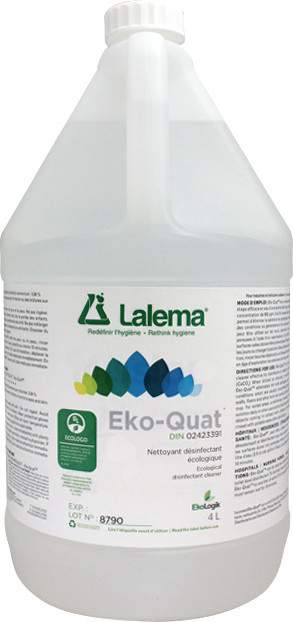
Today, April 22nd, is Earth Day. Since we are rambling about disinfection in this blog, it is much obliged to combine topics like disinfection and ecology! There is such a thing as an ecological disinfectant cleaner even if disinfectants are often associated with unpleasant toxicological profiles. For disinfectants to be considered environmentally friendly, they must meet the UL Environment 2794 standard (formerly EcoLogo DCC-166). Here at Lalema, we have the EKO-QUAT which is a neutral quaternary ammonium disinfectant cleaner and yes, it meets the UL Environment 2794 standards. We’ll get to know more about this product, but let us first understand what is an ecological disinfectant.
Defining ecological disinfectant
An ecological disinfectant is a disinfectant with a minimal risk to the environment. To be specific, the product must not contain carcinogen or phosphates, which is low in volatile organic compounds, non-toxic and readily biodegradable.
Ecological Disinfectant Cleaner EKO-QUAT
EKO-QUAT is a fourth generation neutral quaternary ammonium disinfectant cleaner. It eliminates dirt and the most resistant pathogens such as MRSA and VRE bacteria in conditions which are usually uncontrolled.
Its neutral PH makes it an ideal product to clean and disinfect any surface such as floors, ceramic, walls and counters with a sprayer, a cloth, a mop or a sponge.
This ecological disinfectant cleaner is versatile! Use it as a disinfectant, cleaner, deodorizer and toilet bowl disinfectant in several environments such as retirement homes, veterinary clinics or hospitals.
EKO-QUAT is an EcoLogo certified (UL 2794) ecological quaternary disinfectant (DIN 02423391).
Note that the EKO-QUAT is available in 2 formats: in manual dilution format (see 4 L image) and in Twist & Mixx format for Twist & Mixx dilution system.
Go with this ecological disinfectant cleaner to disinfect in a responsible way toward the environment! EKO-QUAT is a wise, sensible and versatile product that meets many standards! This disinfectant is as effective as non-ecological disinfectants based on the same technology.
Beijing 2022 Olympic Winter are now over. Most of you have already seen video footage of the robots that cook foods, mix drinks and serve in order to avoid contamination. But have you seen the disinfection devices the staff use to disinfect most areas and objects? It’s quite futuristic, but the future is now.
For a rare occasion, we would like to interrupt the serious subject of disinfection since we usually ramble about that! During this cold winter that we’re having, let’s bring up a new and hot subject called Lalema Express! And so, it is our brand new transactional website for local supply of sanitary & self-service amenities. It was officially launched in August 2021, during Covid-19 time.
Lalema Express is…
– Efficient, simple, user-friendly and local
Designed for everyone, you can find what you need in just a few clicks!
– Trend products
Like any good website, Lalema express makes sure to have products that are up to date to the latest news!
This transactional website offers flexibility in payment options. No need to create a new transactional account or get a new credit card if you already have one of the payment options below.
When it comes to cleanliness, some people are mixing technical terms leading to ambiguity. It is like mixing chemicals together: That is not a good idea! To keep it simple, we’ll just give a real definition.
Deteriorated surfaces definition
A deteriorated surface shows wear off sign often caused by time or misuse.
Deterioration is one of three elements of impairment of property, the others being functional obsolescence (or obsolescence) and economic obsolescence.
Safe surfaces definition
Safe surface means that it is safe to health. Such surface is healthy or good for health often because of risk management. In the food industry, this is why we often refer to it as food safety. Safe is also synonymous to hygienic !
Disinfected surfaces definition
Disinfection is a voluntary momentary removal operation of certain bacteria (if it comes to “all germs” we refer more to sterilization), so as to stop or prevent infection or the risk of infection or superinfection by pathogenic or undesirable microorganisms or viruses.
For example:
To sanitize a surface eliminates 99.9% of microorganisms (This is a 1,000 X reduction)
To disinfect a surface removes 99.999% of microorganisms (This is a 100,000 X reduction)
To sterilize a surface or instrument removes 99.9999% of microorganisms (This is a 1,000,000 X reduction)
Obviously, “momentarily” is a key fator because the surface will be contaminated again as soon a a contaminant will enter in contact with the it. That’s why some disinfectants have a residual effect that prolongs the action of disinfectant for a certain time.
To learn more
Visit l’Academy Lalema for a whole lot of online training in sanitation and surface disenfection..
Bleach has been studied for the first time by a French chemist named Claude Louis Berthollet in 1775. His factory was based in Paris in the district of… Javel! That is why the French are calling it: Eau de Javel (Javel Water).
JAVEL Undergroud Station in Paris. Photo courtesy of Google Street View
At first, bleach was used for laundry and as a fade. From 1820, a pharmacist named Antoine Germain Labarraque studied more deeply its disinfecting properties . In the XIX Century, it was commonly used as a disinfectant and water treatment. The NASA used bleach during the Apollo program to disinfect the Apollo XI rocket after its return, in order to avoid contaminating Earth with potential dangerous viruses!
What is Bleach?
Bleach is composed of sodium hypochlorite (NaClO). For chemistry fans, its chemical formula is as follows:
Cl2 + 2 NaOH → NaCl + NaClO + H2O.
For those who don’t like chemistry, well… the formula is the same!
What’s new with Bleach?
Nowadays, bleach is still used as a disinfectant. Stabilized formulas enable to combine the disinfecting ability of chlorine together with the cleaning ability of surfactants.
Other references: http://en.wikipedia.org/wiki/Bleach
We have cleaning solution for you
Visit our web site at www.lalema.com. You will find what you need to distinfect with sodium hypochlorite solution. We are also he owner of Certiklor Technology
How to obtain a more effective disinfection with Certiklör?
What is Certiklör? The name of a new chemical? A new government certification?
None of the above! Simply put, Certiklör technology is the insurance for you, your patients and all Canadians to achieve a better, more efficient and high quality disinfection. Certiklör is a proprietary technology developed by Lalema for you. This technology ensures that you have in the bottle, an effective stabilized hypochlorite, and here to stay!
How to safely perform cleaning and disinfection a surface soiled with bodily fluid and dispose of waste properly?
Here is some of the content from my exclusive training on Infection Prevention and Control in the Presence of Body Fluids. This training (in French with English documentation), presented in the form of short video clips (nearly forty), lasts approximately 2 hours and covers several exclusive and relevant content for hygiene and sanitation workers.
OVERVIEW OF THE CONTENT OF A TRAINING ON DISINFECTION TECHNIQUES
The main microbes to which sanitary maintenance workers can be exposed, the associated risks and the means of transmission
Basic concepts in sanitary maintenance for cleaning and disinfecting surfaces
The different body fluids (body fluids) and the associated risk factors
Products and accessories for cleaning and disinfection
Personal protective equipment
Cleaning and disinfection techniques including hand washing.
THE MAIN MICROBES TO WHICH HEALTH MAINTENANCE WORKERS MAY BE EXPOSED, THE ASSOCIATED RISKS AND THE MEANS OF TRANSMISSION
Microbes
Viruses or bacteria
Reproduction of bacteria
Survival of bacteria on surfaces
Infectious risk
Transmission of infections
Virus or bacteria
BASIC CONCEPTS IN SANITARY MAINTENANCE FOR THE CLEANING AND DISINFECTIONS OF SURFACES
Basics
Sinner’s Circle
Wetting power
Micelles
Foaming power
PH scale
Eradication of microbes
Contact time
DIN
Types of disinfectants
Why dilute a product
Always read the manual
7 ways to make maintenance safer
THE DIFFERENT BODY FLUIDS (BIOLOGICAL LIQUIDS) AND THE ASSOCIATED RISK FACTORS
Body fluids and associated risks
Body fluids (body fluids)
Risk factors
PRODUCTS AND ACCESSORIES FOR CLEANING AND DISINFECTION
Produits et accessoires
Trousse de matériel
LES ÉQUIPEMENTS DE PROTECTION INDIVIDUELLE
Personal protective equipment (PPE)
Hand hygiene
Dressing procedure
Undressing procedure
Practical advice
Wearing the mask
CLEANING AND DISINFECTION TECHNIQUES
Cleaning and disinfection steps
Steps to follow
Cleaning and disinfection procedure
Waste management
What is biomedical waste
FORMATIVE ASSESSMENT
A training cannot be complete without a formal evaluation! This is why we offer each participant a quiz of 10 questions before issuing a superb attestation!
Hygen microfiber from Rubbermaid Commercial Products
The COVID-19 has led us to adopt new protocols to ensure patient and staff safety in healthcare facilities. Having said that, it is crucial to equip yourself with the right surface cleaning and disinfection products in healthcare facilities! What are the right products? How should you clean? Let’s explore them with the help from Rubbermaid Commercial Products, a world leader in the commercial cleaning industry! Of course, in these strange days, depending on the availability of some products, Lalema has suggestions as well ;)!
SURFACE CLEANING PRODUCTS
First of all, here are some products suggested by RCP for surface cleaning. Overall, most of them are available. Otherwise, we have replacements.
Recommended surface cleaning products
Hygen microfiber cloths – Rubbermaid Commercial Products’ all-purpose 16″ x 16″ HYGEN microfiber cloths remove 99.9% of the viruses and bacteria tested on surfaces.
Bowl Brush – This bowl brush has a plastic handle. The brush is made of polypropylene bristles. It is odor and stain resistant.
Toilet brush holder – This toilet brush holder is made of polypropylene. It is stain and odor resistant.
Bottle and Sprayer: Graduated bottle for inserting and spraying cleaning solutions.
Dry Wipes and MYOSAN TB Kit – Kit of dry wipes and MYOSAN TB designed to disinfect and eliminate microorganisms on hard surfaces. It should inactivate the new coronavirus SARS-CoV-2, the virus that causes COVID-19.
Dry Wipes and MYOSAN TB Kit
BEST PRACTICES
Second, as expectations for cleanliness and hygiene rise, facilities must ensure that they have an established surface cleaning and disinfection process. This includes regular cleaning of high-traffic areas. Below are the best surface cleaning practices used in hospitals around the world today.
CLEANING TIPS
Clean systematically, clockwise or counterclockwise – No surface is forgotten, this process saves time and is more ergonomic
Go from clean to dirty – This reduces the likelihood of the spread of infections and contaminants
Clean from the top to the bottom – Any dust or debris dislodged from the upper surface will naturally fall to the lower surfaces
Wipe in one direction (unidirectional wiping) – Unidirectional wiping ensures that the solution is applied over the entire surface, while circular wiping re-contaminates areas
Color Coding – Use single color wiping cloth for each zone. For example:
Red for high risk areas
Blue for mirrors
Yellow for baths and showers
8-SURFACE FOLDING METHODOLOGY
Finally, the 8-surface folding methodology! This is the 8-sided folding for microfiber cloths. It optimizes the use of the cloth while reducing the risk of cross-contamination during the cleaning process. Here are the steps:
8-SURFACE FOLDING METHODOLOGY
8-surface folding methodology by Rubbermaid Commercial Products
Start by opening a clean microfiber cloth
Fold the microfiber cloth in half
Fold the microfiber cloth into four pieces
Clean surfaces with both sides of the cloth exposed
Open the microfiber cloth once to change the sides
Fold over to expose both clean cleaning surfaces
Fully open the microfiber cloth when all four sides have been used
Repeat steps 2 to 7 to use all eight sides
In short, these tips are only general since we could have gone deeper into the details or in further checklists. However, the importance is to set up a methodology for surface cleaning and disinfection and to be equipped with the right products. Don’t forget to wear personal safety equipment! Let’s save the subject of floor cleaning for another day!
Lalema would like to thank and salute all the staff in the healthcare facilities for their services!
I recently read an article on Infection Control Today, which was titled “Examining Ball Pits as a Playground for Pathogenic Organisms.” This article was surprising because, although it seems so obvious now, I would never have even thought about ball pits as a potential source of infection. And yet, ball pits are frequently filled with children, who are known to be more at risk for catching and transmitting infection, and are infrequently disinfected afterwards.
This led me to wonder which other places part of our every day lives are often overlooked as being a source of infection. After doing some more research on the subject, I’ve decided to share with you what I found out.
Source: DoD Live
Playgrounds
Similar to ball pits, it is no wonder that playgrounds are one of the germiest places in the community. Every day, many children go to the playground and make use of the equipment there. And as we all know, children are at high risk for catching and spreading infection. According to Web MD, the sandbox is one of the worst places in terms of contamination, since the sand absorbs bodily fluids like saliva or urine and there is no way to wipe it down after its been used.
Public Restrooms
It should come as no surprise that pubic restrooms appear on the list of high-risk places for germs. However, I’m not sure if people realize to what extent they are contaminated. You wouldn’t touch a toilet seat in a public restroom, but it turns out that faucets and door handles are also extremely contaminated. According to Web MD, even if you’ve washed your hands, you’re still at risk for contamination when you touch the door handle to leave the bathroom. This is because only 31% of men and 65% women actually wash their hands, meaning that the rest contaminate the door handles when they go to open it (Web MD, 2018).
Grocery Stores
You may have already heard that there are a lot of bacteria in grocery stores. The majority are found on shopping carts, where, for example, raw meat packages carrying salmonella are placed or babies are seated with dirty diapers. Most grocery stores have disinfectant wipes near the entrance with the carts, so it is advised that you use them.
Public Transportation
Metros and buses are filled with germs! And it’s not surprising to see why. Thousands of people use public transportation each day, making seats, poles and handles high-touch areas. This makes public transport one of the biggest sources of harmful bacteria.
Gyms
Similarly to all the other sources, gyms are filled with bacteria due to the high number of people who use equipment every day. According to Web MD, it was found that some free weights carried the same types of bacterias found in public restrooms (ick!). It is advised that you use the wipes provided at the gym both before and after using the equipment in order to protect yourself and prevent the spread of bacteria.
What can you do to protect yourself?
You may be wondering how on earth you’re supposed to protect yourself, when you’re surrounded by bacteria! While you can never avoid every germ, there are many ways to protect yourself and avoid getting sick. Web MD (2018) makes the following recommendations:
Wash your hands for 20 seconds with soap and water. And do it often.
If you don’t have access to soap and water, use alcohol-based sanitizer.
Don’t touch your eyes, nose or mouth until you wash your hands.
Use a spare paper towel to grab the public restroom door handle as you leave.
Wearing a mask has become our new habit during the pandemic situation. Therefore, let us explore how to clean and remove a mask or a face cover. In fact, there is more than one way to clean a mask including some additional precautions. So, let’s go over some methods!
CLEAN IN THE LAUNDRY
First, according to Health Canada, if you plan to rewear a reusable (non-medical cloth) mask, we suggest cleaning it by putting it directly in the laundry. It can be washed with other items using a hot water cycle. As for the cleaning product to use, regular laundry soap should be fairly effective, according to the New York Times. In addition, according to Le Parisien, washing with hot water should be at least 60° C for 30 minutes.
Laundry machine
CLEAN BY HAND
Second, following what was shared in the New York Times, experts have said that hand washing face covers in a sink works as well. You should lather the soap and rub the mask for 20 seconds. It’s a similar process to hand washing.
Hand laundry kit
SOAK WITH HOT SOAP
Third, soak the mask in warm soapy water. This method comes from Professor Golemi-Kotra, an expert in molecular biology in Toronto York University. She said the best way to clean a cloth mask would be to soak it in hot, soapy water for at least an hour.
DRY THE MASK
Afterwards, dry the mask completely in the dryer or by hanging it.
Drying masks
ELIMINATE A MASK
Finally, we dispose a mask that cannot be washed when it is wet, soiled or wrinkled. So just throw the mask properly in a lined trash can. It’s the same for a damaged reusable mask or a face cover at the end of its life span. Do not leave your mask lying anywhere else.
In short, these were ways to clean a face cover. Which method is right for you? Above all, do not forget to wash your hands properly before putting on a mask and also after removing it! Also, disinfect your surfaces as well!
Myosan TB is a ready-to-use disinfectant cleaner has a broad spectrum virucidal claim. In accordance with Health Canada’s recommendations, we are authorized to make an indirect claim against SARS-CoV-2, the virus responsible for COVID-19 [1] , [2] .
MYOSAN TB
Myosan TB can therefore be used as a disinfectant against SARS-CoV-2, the coronavirus that causes COVID-19, since it is qualified as part of Health Canada’s approach to emerging viral pathogens for hard-to-use surface disinfectants. against SARS-CoV-2.
Coronaviruses are enveloped viruses, which means that they are among the easiest types of virus to kill with an appropriate disinfectant, when used according to the label directions for use.
To obtain Myosan TB, contact us at (514) 645-2753, or infos@lalema.com, or visit www.myosantb.com. Thank you.
SARS-COV-2 (COVID-19)
Coronavirus are enveloped viruses, which means that they are among the easiest types of virus to kill with an appropriate disinfectant, when used according to the label directions.
VIRUCIDAL
Said of a substance capable of destroying a virus. A virus is an organism made up of at least two things: genetic material (DNA) and proteins. Being dependent on another organism to reproduce, the virus must find a viable host to multiply.
TUBERCULOSIS
A tuberculocidal agent is a real killer of tuberculous bacilli, tuberculosis creating an infection with the mycobacterium Mycobacterium tuberculosis.
BACTERICIDE
Said of a substance having the capacity to kill bacteria. A bacterium is a single-celled living organism composed of a membrane, genetic material and cellular machinery. It differs from the virus in that it does not need a host to reproduce; the bacteria is an independent organism.
FUNGICIDE
Said of a substance that destroys fungi. Fungi, commonly called fungi, are sometimes unicellular, sometimes complex multicellular organisms. Composed of a nucleus, a membrane and a cellular machinery, the fungus reproduces itself.
It’s very simple, all the subtitles of this post are false. Fortunately, we are helping you get the facts out about COVID-19 (coronavirus).
CODIV-19 CAN BE TRANSMITTED BY MOSQUITO BITES
FALSE
The new coronavirus is a respiratory virus that spreads mainly through contact with an infected person, through respiratory droplets emitted when a person, for example, coughs or sneezes, or through saliva or secretion droplets nasal passages. To date, there is no information or evidence suggesting that 2019-nCov could be transmitted by mosquitoes. To protect yourself, avoid close contact with someone who has a fever or cough, and practice good hand and respiratory hygiene.
COLD WEATHER AND SNOW CAN KILL NEW CORONAVIRUS
FALSE
The normal temperature of the human body remains around 36.5°C and 37°C, regardless of the outside temperature or weather. Therefore, there is no reason to believe that cold weather can kill the new coronavirus or other pathogens. The most effective way to protect yourself from 2019-nCoV is to wash your hands frequently with an alcohol-based product or with soap and water.
THE NEW CORONAVIRUS (COVID-19) CAN PROJECT UP TO 8 METERS FROM A PERSON WHO IS TUSTING OR SNEAKING
FALSE
Respiratory droplets project up to 1 meter from a person who coughs or sneezes.
When a person infected with COVID-19 coughs or sneezes, the virus is expelled into droplets that can travel a certain distance from that person. Therefore, to protect yourself from any respiratory virus, avoid close contact with someone who has a fever or cough, and wash your hands frequently with hydro alcohol or soap and water.
HAND DRYERS ARE EFFECTIVE IN KILLING COVID-19
FALSE
Hand dryers are not effective in killing COVID-19. To protect yourself from the new coronavirus, you should frequently wash your hands with a water-based product or with soap and water. Once your hands are clean, you should dry them thoroughly with paper towels or a hot air dryer.
CAN EAT GARLIC HELP PREVENT NEW CORONAVIRUS INFECTION?
FALSE
On one positive side, it may drive colleagues away. Garlic is a healthy food that may have certain antimicrobial properties. However, there is no evidence in the current epidemic that consuming garlic protects people from the new coronavirus.
DOMESTIC ANIMALS CAN SPREAD THE NEW CORONAVIRUS
FALSE
There is currently no evidence that pets / pets such as dogs or cats can be infected with the new coronavirus. However, it is always a good idea to wash your hands with soap and water after contact with pets. This protects you from various common bacteria such as E. coli and Salmonella that can pass from pets to humans.
ANTIBIOTICS ARE EFFECTIVE IN PREVENTING AND TREATING NEW CORONAVIRUS INFECTION
FALSE
Antibiotics do not work against viruses, but only against bacteria.
The new coronavirus (COVID-19) is a virus and, therefore, antibiotics should not be used as a means of prevention or treatment.
However, if you are hospitalized for COVID-19 infection, you may be given antibiotics because bacterial co-infection is possible.
According to Infection Control Today (2018), a recent study carried out in a hospital in the UK has determined that a “one wipe” cleaning system was proven to be more effective than the traditional “two wipes” system in reducing the risk of MRSA in hospitals. Between 2013-2016, the hospital had been using a “two wipe” system, which consisted of first using a detergent wipe and then using an alcohol wipe as a disinfectant. In May 2016, a universal cleaning and disinfection wipe was introduced to the healthcare facility, and it made a significant difference.
According to Infection Control Today (2018),
“Using a Poisson model the researchers demonstrated that the average hospital acquisition rate of MRSA/100,000 patient bed days reduced by 6.3 percent per month after the introduction of the new universal wipe.”
Infection Control Today (2018)
These results were significant, and led to a big change in how this UK healthcare facility cleans its equipment. Not only did the universal disinfectant wipes lead to higher efficacy, but they also led to higher efficiency, since healthcare workers now only have to go over the equipment once and are assured that it will be clean.
Keeping this in mind, there are many different types of disinfectant wipes to choose from. If you would like to learn more about different types of disinfectant wipes, and how each of them work, feel free to visit our official website, and view our product offerings, or contact us directly by phone or email.
Click on the link below to view our product offerings for disinfectant wipes.